

Learning Center
How real multifamily deals get done.
Articles for multifamily owners thinking about selling, new investors getting their footing, and operators who want a peer's read on a specific market or structure. Written by Jose Diaz Caro.
Featured
Start here
-
Article For Brokers
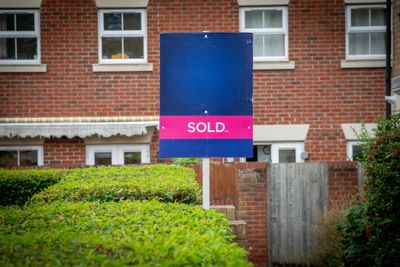
Broker deal package: what Kallpa looks for
Kallpa needs the T-12, current rent roll, unit mix, and property photos to underwrite in one session. Send a complete package and you get a signed LOI within 24 hours. Commission is always paid in full at close.
-
Article Tax Strategy
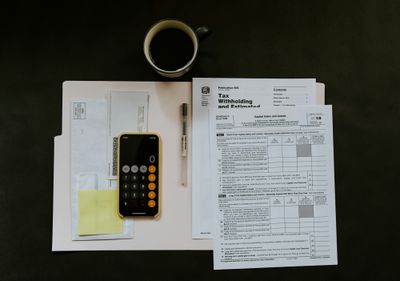
Depreciation recapture: cash vs. installment sale in Kansas
Section 1250 recapture hits Kansas multifamily sellers in year one, cash or installment. On a $900K sale with $186K of accumulated depreciation, expect about $46,500 in federal recapture tax no matter how you structure the proceeds.
-
Article Off-Market Deals
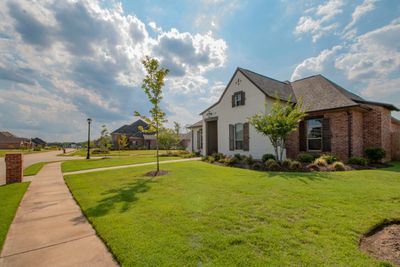
When off-market makes sense and when a listing makes more sense
Off-market and a listed sale are both legitimate ways to sell multifamily. Each fits different situations: off-market wins on smaller buildings, value-add properties, privacy-sensitive sellers, and speed-critical timelines; a listed sale wins on stabilized institutional-grade assets in hot markets. This guide walks through both.


By audience
Written for where you sit
-

Article Underwriting
What Makes a Good Multifamily Deal in 2026
A good 5-to-50-unit deal in 2026 needs a cap rate of 7-9% on actual rents, a 1.20x DSCR at current financing rates, and no environmental or structural deal-killers. When the math works, we close in 14 to 45 days.
-

Article Closing Process
Tenant estoppel certificates in Kansas
A tenant estoppel certificate is each tenant's written confirmation of rent, lease term, and deposit. Kansas multifamily closings require them, and collecting them on time is usually the longest step in the transaction.
-

Article Landlord Playbook
The true cost of holding a vacant Kansas rental
A vacant 8-unit Wichita rental can run $4,800 per month in hard costs before accounting for $6,000 in lost rent. After 90 days of vacancy, those numbers make most as-is cash offers look compelling on paper.
-
Article Off-Market Deals
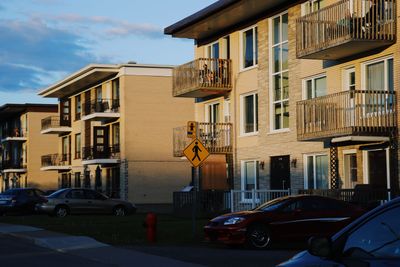
How to Find Off-Market Multifamily in Kansas
Off-market multifamily in Kansas surfaces through direct seller contact, broker relationships, and local networks. Most sellers have held 10+ years and want a clean 30-45 day close without MLS showings or lender contingencies.
-

Article Landlord Playbook
Sell Your Abilene TX Rental Property to a Cash Buyer
Kallpa Properties buys 5-to-50-unit multifamily rentals in Abilene TX for cash. No repairs, no listing, no commissions. We underwrite to 7.5-9.0% cap rates and close in 14 to 30 days.
-

Article Off-Market Deals
Sell Your Wichita Duplex to a Cash Buyer
Wichita duplexes sell at 6.5-8.5% cap rates. A cash buyer closes in 14 to 45 days with no repairs, no showings, and tenants in place. Offers are based on your current rent roll, not on what you hope to list for.
-
Article Underwriting
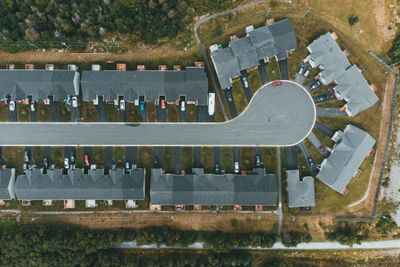
Section 8 in Wichita: Investor Pros, Cons, Underwriting
Section 8 vouchers can stabilize a Wichita rent roll, but HUD NSPIRE inspections and Payment Standards cap what you can collect. The reliability is real; so are the inspection burden and financing constraints.
-

Article Underwriting
How much can I sell my apartment complex for?
In Kansas, apartment complexes sell for their NOI divided by a cap rate of 6.0 to 8.0 percent. On a 10-unit earning $56,000 in NOI, that is roughly $700,000 to $933,000. Condition and location set the cap rate applied.
-
Article Market Reports
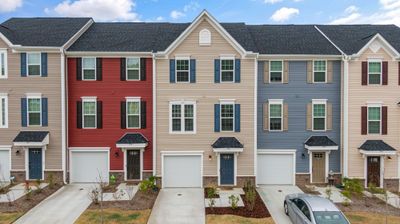
Selling a Multifamily Property in Lubbock, TX
Lubbock, TX multifamily sellers face a thin buyer market and a property-tax reset at closing. We can close your property in 14 to 45 days cash, with no broker commission, after running your actual T-12 numbers.
-
Article For Brokers
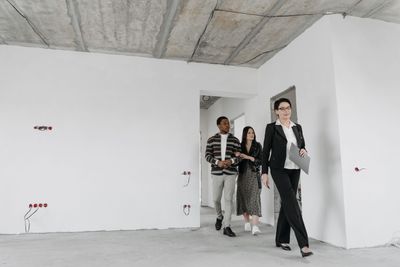
Multifamily Broker Commissions: How Direct Buyers Pay
When you bring Kallpa a multifamily deal in Wichita, your commission is written into the PSA at signing, paid in full at closing, and never subject to a retrade. We don't renegotiate after the inspection.
-
Article Landlord Playbook
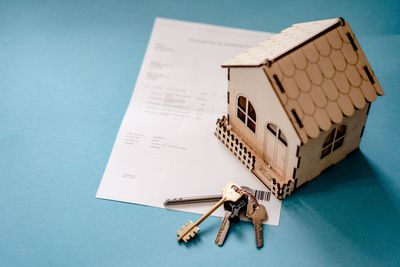
Selling your rent-controlled building in Washington
In Washington, rent-stabilized buildings sell at a discount because buyers underwrite to actual rents, not market rents. A $200 per door shortfall on a 16-unit building can reduce your offer by roughly $590,000 at a 6.5% cap rate.
-

Article Landlord Playbook
Can You Sell a Kansas Rental With Tenants Still In It?
Yes, you can sell a Kansas rental with tenants in place. The lease survives the sale by law, security deposits transfer at closing, and Kallpa buys tenant-occupied properties without requiring anyone to vacate first.
-

Article Underwriting
Cash-on-cash vs cap rate for multifamily investors
Cap rate measures a property's income relative to its price, ignoring financing. Cash-on-cash return measures what your dollars earn after debt service. Use cap rate to compare deals; use cash-on-cash to confirm your financing works.
-

Article For Brokers
How a Wichita 8-Unit Moves From Call to Close
A worked example of how Kallpa underwrites a broker-submitted Wichita 8-unit: a recast NOI of $37,572, an 8.5% cap rate, a roof adjustment, and a $430,000 offer. Clean title and pre-ordered estoppels are what compress a close to 17 days.
-
Article Landlord Playbook
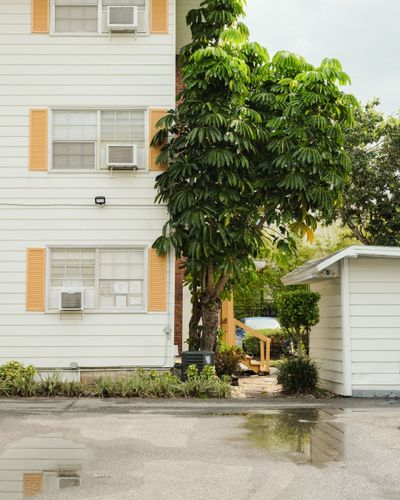
When Should You Sell Your Apartment Complex?
Apartment complex owners should consider selling when cash flow turns persistently negative, deferred maintenance erodes equity, personal circumstances shift, the market offers a qualified buyer, or the tax window favors an exit.
-

Article Market Reports
Kansas vs Washington: multifamily investing compared
Kansas B/C multifamily runs at 7.5-8.5% cap rates with no rent control. Washington offers more appreciation but carries just-cause eviction rules and higher entry costs. Kallpa operates in both.
-

Article Landlord Playbook
5 Mistakes Tired Kansas Landlords Make When Selling
Tired Kansas landlords often leave value on the table by overpricing, skipping the tax math, rushing to a listing, trusting buyers who can't close, and assuming as-is means losing 20% net. Here is what to avoid.
-
Article Underwriting
DSCR loans for buy-and-hold rental property
A DSCR loan qualifies borrowers on the property's rent-to-payment ratio, not personal income. Target 1.20 or higher for safety. Rates run 50-100 basis points above conventional, but the flexibility is worth it for portfolio builders.
-

Article Underwriting
Equity waterfall in real estate: how profits split
An equity waterfall in a real estate JV sets who gets paid first: the investor's preferred return comes before any profit split. Kallpa structures direct equity co-ownership deals in Kansas and Washington, not pooled syndications.
-

Article Underwriting
Passive real estate equity deal structure explained
In a Kallpa JV, a passive equity partner contributes capital and receives a preferred return plus a negotiated share of cash flow and appreciation at exit. Kallpa operates the property. The split and return rate are set per deal.
-

Article Closing Process
What happens at a Kansas real estate closing?
At a Kansas real estate closing, the seller signs the deed, a closing disclosure, and assignment documents, pays prorated taxes and transfer fees, and typically receives wire proceeds the same day the deed records.
-

Article For Brokers
Wichita cap rates by neighborhood: what we pay in 2026
Cap rate targets in Wichita multifamily span 5.5% to 8.5% depending on submarket. Kallpa targets 6.0% to 8.0% going-in, with the highest caps in South and North Wichita where B/C class value-add deals concentrate.
-

Article Off-Market Deals
Off-market vs MLS: selling your apartment building
Listing an apartment building on MLS typically takes 90 to 180 days to close and costs 5 to 6% in commission. Selling off-market to a direct buyer like Kallpa takes 14 to 45 days with no commission deducted from the offer.
-

Article Underwriting
How to analyze a multifamily deal in Kansas
Analyzing a Kansas multifamily deal starts with recasting the T-12 to market expenses, not the seller's actuals. We target 7.5-8.5% cap in Wichita B/C class and walk when the gap exceeds 15%.
-

Article Landlord Playbook
Kansas landlord-tenant law: what investors need to know
The Kansas Residential Landlord and Tenant Act (KSA 58-2501) controls how landlords handle deposits, give notice, and transfer leases at sale. Kallpa reviews these details in every Kansas underwrite.
-
Article Landlord Playbook
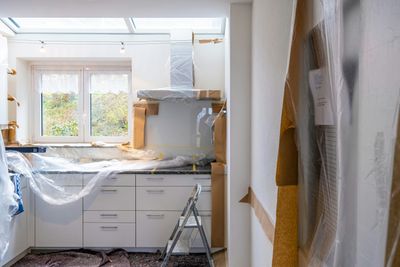
Sell your Kansas rental as-is: the repair math
For most Kansas rental properties, cosmetic repairs don't move a direct buyer's offer. Knowing which fixes add value and which don't can save thousands before you sell.
-

Article Market Reports
Washington State Foreclosure Auctions & Trustee Sales: A Buyer's Guide
Washington trustee sales are fast and unforgiving: fund within 24 hours, no inspection, no title warranty. We underwrite the lien stack before showing up. Most times we walk. Here is why, and when we bid.
-

Article Underwriting
BRRRR investing partner in Washington state
A Washington state BRRRR equity partnership pairs an active operator with a capital partner. Kallpa sources and runs the deal; the partner contributes capital and earns a preferred return plus a profit split at refinance.
-

Article Underwriting
What is a 60/40 equity deal in real estate?
In a 60/40 equity JV deal, a capital partner owns 60% and the operating partner owns 40% of a property. Returns and tax benefits split by that ratio. Kallpa structures these as direct two-party JVs, not pooled syndications.
-
Article Closing Process
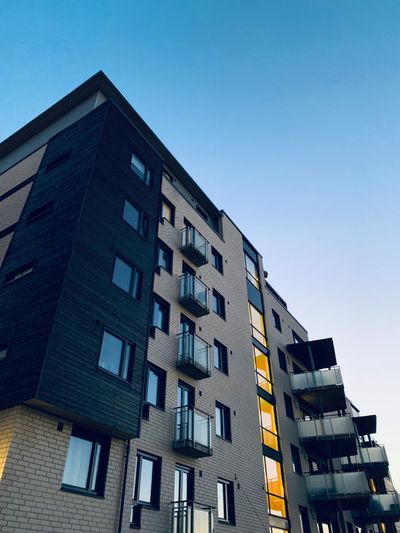
How long does it take to sell an apartment building?
Selling an apartment building off-market to a direct buyer takes 14 to 45 days. A brokered MLS listing in Kansas runs 90 to 180 days. Deal structure is the single biggest timeline variable, not inspections or title work.
-
Article Landlord Playbook
Sell your rental property as-is in Kansas
Selling a Kansas rental as-is skips repairs, open houses, and contractor risk. Kallpa buys multifamily properties in any condition in Kansas, closing in 14 to 45 days with no repair contingencies.
-

Article Off-Market Deals
Passive real estate investing in Kansas: the JV model
Passive investing in Kansas multifamily means you contribute equity capital while Kallpa sources, operates, and sells the asset. You collect quarterly distributions and a profit split at exit without doing any property management.
-

Article Off-Market Deals
Real estate equity partner in Wichita: how it works
Kallpa takes equity partners on Wichita 5-to-50-unit multifamily. You bring capital, we source and operate. The structure is preferred equity with quarterly cash flow distributions once the property stabilizes.
-

Article For Brokers
Off-market multifamily in Kansas: a broker's guide
Kallpa Properties is an active off-market buyer of 5-to-50-unit multifamily in Kansas. We pay full broker commission, sign LOIs within 48 hours, and close in 14 to 45 days with no retrades.
-

Article Landlord Playbook
Inherited rental property in Kansas: what to do
Inheriting a Kansas rental means four decisions: confirm probate status, assess tenants, understand your stepped-up basis, and pick a sale or hold path. Many heirs who sell do so within 12 months, often as-is.
-

Article Off-Market Deals
Selling your apartment building in Kansas without a realtor
You can sell a Kansas apartment building without a realtor by going FSBO or selling direct to a cash buyer. Kallpa can close direct purchases in 14 to 45 days. Both paths skip the listing commission; each has its own trade-offs.
-

Article Landlord Playbook
Tired Kansas landlord: how to sell your rental
Tired Kansas landlords have three real options: sell to a direct buyer, hire a property manager, or keep holding. For most who are truly done, a direct sale closes in 14-30 days with no repairs and no commission.
-
Article For Brokers
Broker deal package: what Kallpa looks for
Kallpa needs the T-12, current rent roll, unit mix, and property photos to underwrite in one session. Send a complete package and you get a signed LOI within 24 hours. Commission is always paid in full at close.
-

Article For Brokers
Why Kallpa doesn't retrade: a broker's guide
A buyer who retrades after LOI wastes your time and your client's trust. Kallpa has not retraded on a signed LOI across more than 40 underwritten deals. Here is how to vet any principal buyer before you recommend them.
-

Article Underwriting
Sell Your Wichita Duplex to a Cash Buyer: What to Expect
Cash buyers price Wichita duplexes using income, not Zillow estimates. At $1,050 per door per month (illustrative), income-approach value lands near $140,000-$170,000 depending on condition, expenses, and the cap rate applied.
-
Article Tax Strategy
Depreciation recapture: cash vs. installment sale in Kansas
Section 1250 recapture hits Kansas multifamily sellers in year one, cash or installment. On a $900K sale with $186K of accumulated depreciation, expect about $46,500 in federal recapture tax no matter how you structure the proceeds.
-
Article Off-Market Deals
How to sell multifamily property in Wichita, KS
Wichita multifamily owners selling in 2026 have three real exit paths: a direct sale to a buyer like Kallpa (14-45 days, no broker fee), a broker listing (60-120 days, 5-6% commission), or seller financing to spread the gain over time.
-

Article Closing Process
Cash close timeline: 30 to 60 days
A multifamily cash close in Washington takes 30 to 60 days. Title, inspections, estoppels, and lender sign-off drive the timeline. Clean title and a responsive seller can reach 30 days. Most closes land at 45 to 55 days.
-
Article Off-Market Deals
When off-market makes sense and when a listing makes more sense
Off-market and a listed sale are both legitimate ways to sell multifamily. Each fits different situations: off-market wins on smaller buildings, value-add properties, privacy-sensitive sellers, and speed-critical timelines; a listed sale wins on stabilized institutional-grade assets in hot markets. This guide walks through both.
-

Article Underwriting
How we underwrite a 5-to-50-unit multifamily deal in 30 minutes
When a seller calls about a property, we can usually tell whether there's a deal in 30 minutes. Address, unit count, current rents. The math is rent roll minus realistic vacancy minus true operating expenses minus capex reserve, divided by a market-appropriate cap rate. Brokers pad each line. We don't.
-
Article Seller Financing
Seller financing math: a real Wichita 16-unit example
Selling a multifamily property for cash recognizes the full gain in year one. Carrying the financing under IRC Section 453 spreads capital gains across the note term, smooths bracket exposure, and adds 7% interest income on the carried balance. This walks through the trade-offs on a representative Wichita 16-unit.
-
Article Landlord Playbook
Selling a Rental After a Tenant Stops Paying Rent in Washington
When a tenant stops paying rent in Washington, you have four realistic exit paths: finish the eviction then sell, sell with the tenant still in place, offer cash-for-keys and then sell, or sell as-is to a private investor. Each has trade-offs in price, timeline, and stress.


Direct line